
- 建议停留约 50 分钟
评分、照片和营业时间在打开地点时加载。你的账号只保存地点ID和你的备注。
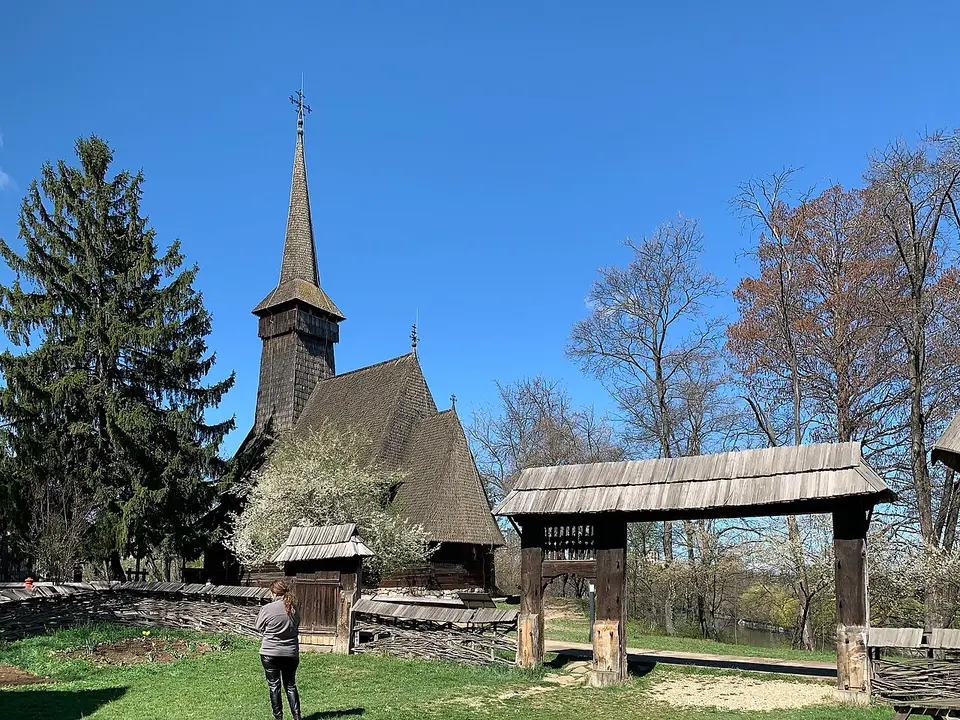
The Village Museum or formally National Museum of the Village "Dimitrie Gusti" (Romanian: Muzeul Național al Satului "Dimitrie Gusti") is an open-air ethnographic museum located in the King Michael I Park, Bucharest, Romania. The museum showcases traditional Romanian village life.
The museum extends to over 100,000 m2, and contains 123 authentic peasant settlements, 363 monuments and over 50,000 artefacts from around Romania. Structures in the museum ranged from the 17th to the 20th century, representative of different ethnographic regions including Banat, Transylvania, Moldavia, Maramures, Oltenia, Dobrogea, Muntenia.
The village was a creation of the folklorist and sociologist Dimitrie Gusti. The location plans were executed by the writer, playwright, director Victor Ion Popa and set designer Henri H.
Stahl. The necessary financial funds were provided by the Royal Cultural Foundation and in the presence of King Carol II of Romania the museum was inaugurated on 10 May 1936.
At the time of its inauguration, it was the fourth open-air museum of Europe after Skansen (Stockholm, Sweden), Norsk Folkemuseum at Bygdøy (Oslo, Norway), and the Ethnographic Museum of Transylvania at Hoia Forest...
参观信息
- 所需时间
- 50分钟
- 休息日
- 暂无固定休息日信息
布加勒斯特附近景点
稍远一些
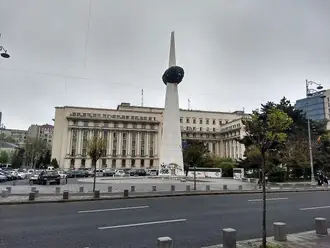 Revolution Square, Bucharest广场 · 4.2km · 公共交通约16分钟(估计) · 15 分钟
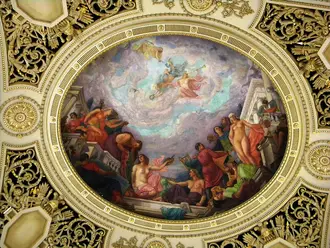 National Museum of Art of Romania美术馆 · 4.0km · 公共交通约16分钟(估计) · 90 分钟
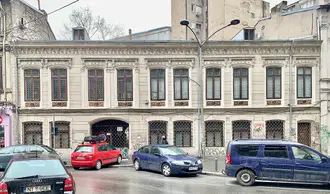 Gheorghe Tattarescu Museum博物馆 · 4.6km · 公共交通约17分钟(估计) · 90 分钟
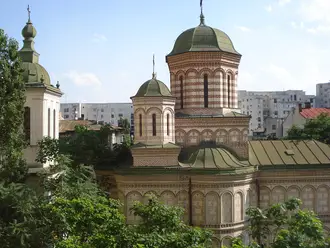 Mihai Vodă Monastery修道院 · 4.8km · 公共交通约18分钟(估计) · 40 分钟
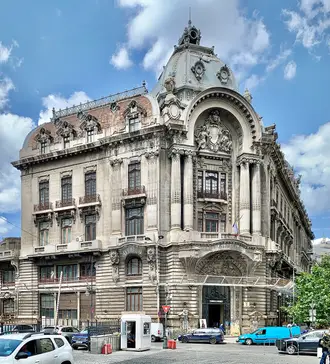 Stock Exchange Building宫殿 · 4.8km · 公共交通约18分钟(估计) · 80 分钟
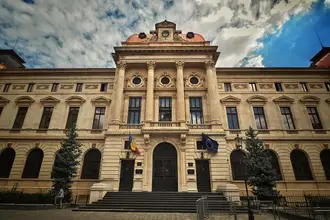 Museum der Nationalbank博物馆 · 4.9km · 公共交通约18分钟(估计) · 90 分钟
正在查找附近
在Google地图中查看更多附近美食正在查找旅行视频
来源 · 文字:维基百科(CC BY-SA 4.0) · 评分、地图、附近美食和咖啡馆:Google · 附近住宿和商店:OpenStreetMap