
- 滞在時間の目安 50 分
評価・写真・営業時間はスポットを開いたときに読み込みます。アカウントにはスポットIDとメモだけを保存します。
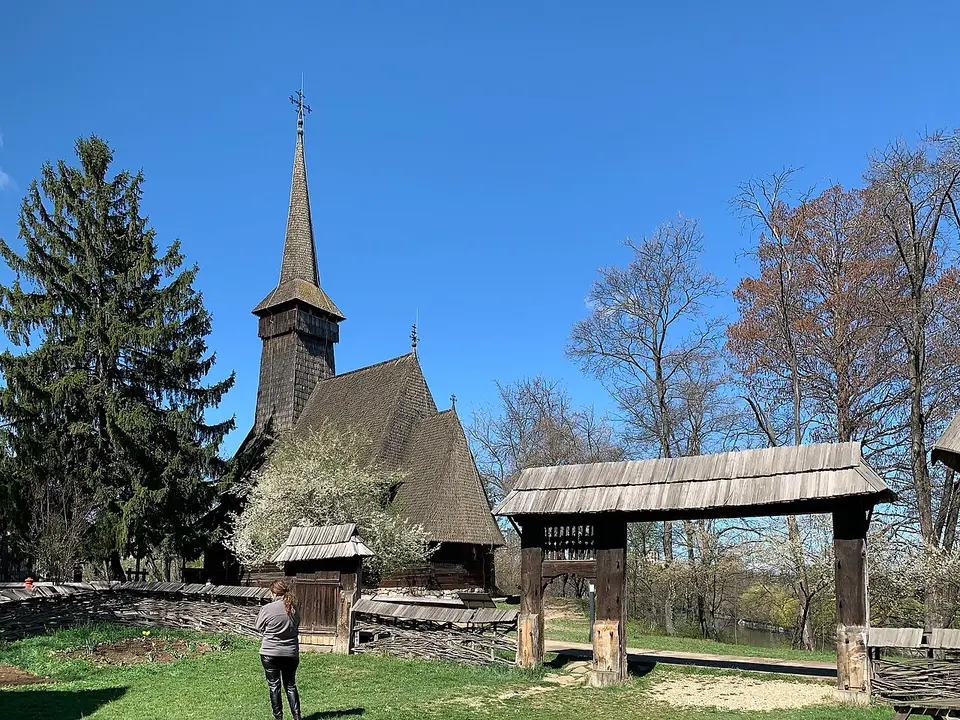
The Village Museum or formally National Museum of the Village "Dimitrie Gusti" (Romanian: Muzeul Național al Satului "Dimitrie Gusti") is an open-air ethnographic museum located in the King Michael I Park, Bucharest, Romania. The museum showcases traditional Romanian village life.
The museum extends to over 100,000 m2, and contains 123 authentic peasant settlements, 363 monuments and over 50,000 artefacts from around Romania. Structures in the museum ranged from the 17th to the 20th century, representative of different ethnographic regions including Banat, Transylvania, Moldavia, Maramures, Oltenia, Dobrogea, Muntenia.
The village was a creation of the folklorist and sociologist Dimitrie Gusti. The location plans were executed by the writer, playwright, director Victor Ion Popa and set designer Henri H.
Stahl. The necessary financial funds were provided by the Royal Cultural Foundation and in the presence of King Carol II of Romania the museum was inaugurated on 10 May 1936.
At the time of its inauguration, it was the fourth open-air museum of Europe after Skansen (Stockholm, Sweden), Norsk Folkemuseum at Bygdøy (Oslo, Norway), and the Ethnographic Museum of Transylvania at Hoia Forest...
見学情報
- 所要時間
- 50分
- 休業日
- 定休日の情報はありません
ブカレストの近くの見どころ
少し遠い
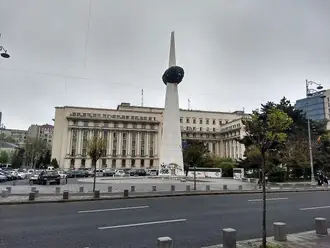 Revolution Square, Bucharest広場 · 4.2km · 公共交通で約16分(目安) · 15 分
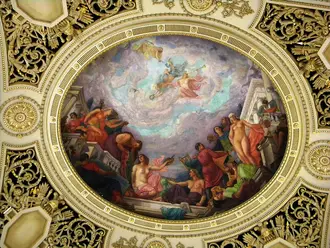 National Museum of Art of Romania美術館 · 4.0km · 公共交通で約16分(目安) · 90 分
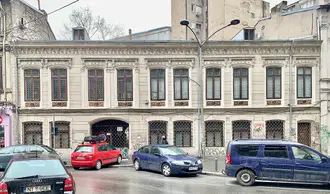 Gheorghe Tattarescu Museum博物館 · 4.6km · 公共交通で約17分(目安) · 90 分
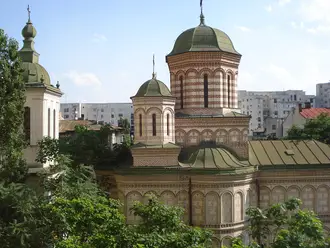 Mihai Vodă Monastery修道院 · 4.8km · 公共交通で約18分(目安) · 40 分
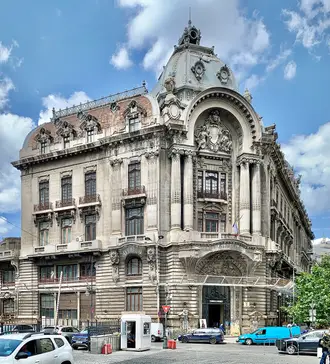 Stock Exchange Building宮殿 · 4.8km · 公共交通で約18分(目安) · 80 分
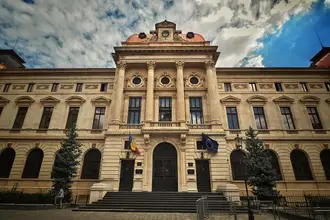 Museum der Nationalbank博物館 · 4.9km · 公共交通で約18分(目安) · 90 分
周辺を探しています
Googleマップで周辺のグルメをもっと見る旅行動画を探しています
出典 · 文章: Wikipedia(CC BY-SA 4.0) · 評価・地図・周辺のグルメとカフェ: Google · 周辺の宿と店: OpenStreetMap