
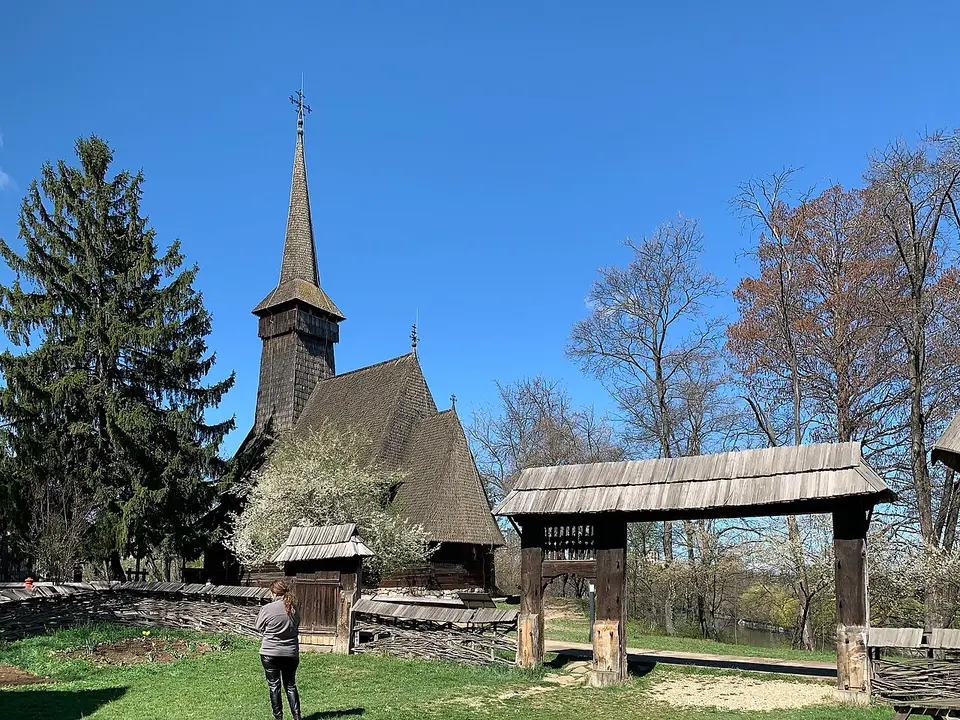
마을 박물관
박물관 · 도시 보기
헤러스트러우 공원의 야외 마을입니다.
- 부쿠레슈티
- 머무르기 좋은 시간 약 50 분
평점·사진·영업시간은 화면에 보여줄 때만 불러옵니다. 계정에는 장소 ID와 메모만 남습니다.
The Village Museum or formally National Museum of the Village "Dimitrie Gusti" (Romanian: Muzeul Național al Satului "Dimitrie Gusti") is an open-air ethnographic museum located in the King Michael I Park, Bucharest, Romania. The museum showcases traditional Romanian village life.
The museum extends to over 100,000 m2, and contains 123 authentic peasant settlements, 363 monuments and over 50,000 artefacts from around Romania. Structures in the museum ranged from the 17th to the 20th century, representative of different ethnographic regions including Banat, Transylvania, Moldavia, Maramures, Oltenia, Dobrogea, Muntenia.
The village was a creation of the folklorist and sociologist Dimitrie Gusti. The location plans were executed by the writer, playwright, director Victor Ion Popa and set designer Henri H.
Stahl. The necessary financial funds were provided by the Royal Cultural Foundation and in the presence of King Carol II of Romania the museum was inaugurated on 10 May 1936.
At the time of its inauguration, it was the fourth open-air museum of Europe after Skansen (Stockholm, Sweden), Norsk Folkemuseum at Bygdøy (Oslo, Norway), and the Ethnographic Museum of Transylvania at Hoia Forest...
방문 정보
- 추천 관람 시간
- 50분
- 휴관일
- 정해진 휴관일 정보가 없어요
부쿠레슈티의 가까운 관광지
- 루마니아 국립미술관4.0km
- 혁명 광장4.2km
- 구시가지5.0km
- 인민궁전5.2km
조금 더 가면
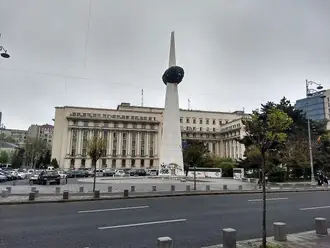 혁명 광장광장 · 4.2km · 대중교통 약 16분(추정) · 15 분
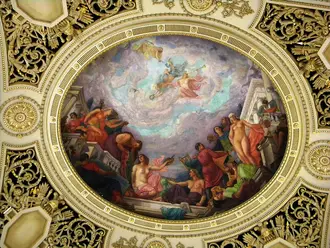 루마니아 국립미술관미술관 · 4.0km · 대중교통 약 16분(추정) · 90 분
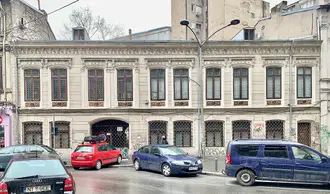 Gheorghe Tattarescu Museum박물관 · 4.6km · 대중교통 약 17분(추정) · 90 분
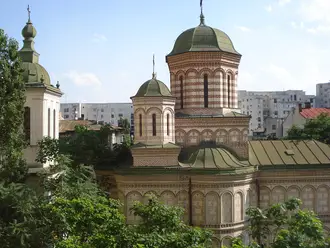 Mihai Vodă Monastery수도원 · 4.8km · 대중교통 약 18분(추정) · 40 분
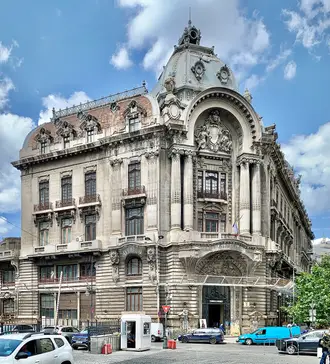 Stock Exchange Building궁궐 · 4.8km · 대중교통 약 18분(추정) · 80 분
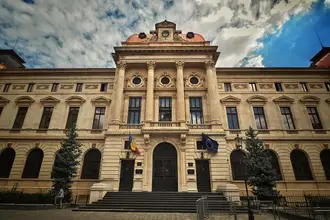 Museum der Nationalbank박물관 · 4.9km · 대중교통 약 18분(추정) · 90 분
주변 장소를 찾고 있어요
Google 지도에서 주변 맛집 더보기여행 영상을 찾는 중
정보 출처 · 설명: 위키백과(CC BY-SA 4.0) · 평점·지도·주변 식당과 카페: Google · 주변 숙소·쇼핑: OpenStreetMap